ISO 15118 matters because charging is moving from simple power delivery toward digital interaction between vehicle, charger, and backend systems. In many projects, the charger is only one part of the system. The backend, user interface, payment flow, maintenance process, and energy management strategy all shape whether the charging network works smoothly after installation.
The practical value depends on deployment context. Plug & Charge, certificate handling, smart charging, and future V2G readiness. A single private charger may not need the same software depth as a public network, but commercial operators usually require monitoring, data access, fault alerts, remote configuration, and a clear upgrade path. Without those functions, hardware problems can quickly become operating problems.
Operators comparing connected charging systems can use EVB’s ISO 15118 resources to think through backend compatibility, remote operation, and long-term network management.
Buyers should confirm the version of the protocol, the backend environment, available functions, cybersecurity expectations, and how updates are handled over time. It is also worth asking what happens when the network grows: whether chargers can be grouped, monitored, load-managed, and maintained without creating a heavy manual workload for the operator.
Software and protocol decisions should be treated as part of project design, not as optional features. The right choice can improve uptime, simplify operations, and help a site adapt as regulations, vehicles, and business models change. For CPOs and commercial site owners, that long-term flexibility is often as important as the charger’s rated output.

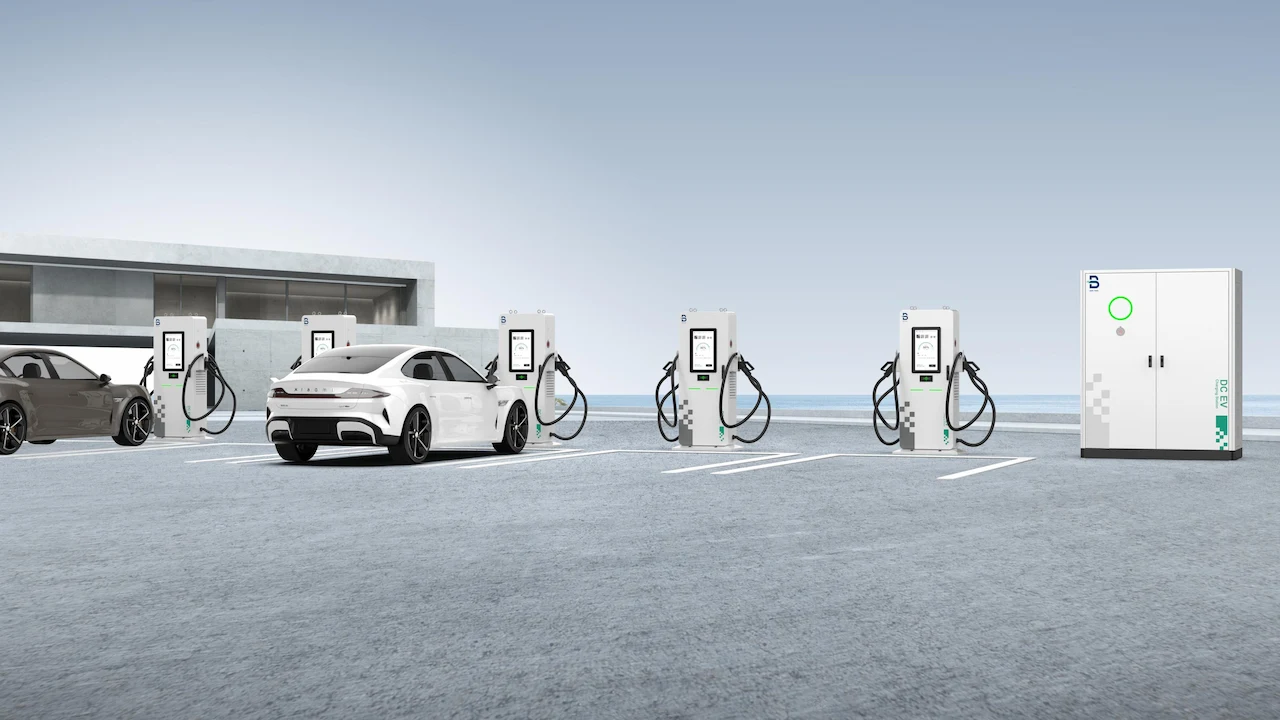 ISO 15118 matters because charging is moving from simple power delivery toward digital interaction between vehicle, charger, and backend systems. In many projects, the charger is only one part of the system. The backend, user interface, payment flow, maintenance process, and energy management strategy all shape whether the charging network works smoothly after installation.
The practical value depends on deployment context. Plug & Charge, certificate handling, smart charging, and future V2G readiness. A single private charger may not need the same software depth as a public network, but commercial operators usually require monitoring, data access, fault alerts, remote configuration, and a clear upgrade path. Without those functions, hardware problems can quickly become operating problems.
Operators comparing connected charging systems can use EVB’s ISO 15118 resources to think through backend compatibility, remote operation, and long-term network management.
Buyers should confirm the version of the protocol, the backend environment, available functions, cybersecurity expectations, and how updates are handled over time. It is also worth asking what happens when the network grows: whether chargers can be grouped, monitored, load-managed, and maintained without creating a heavy manual workload for the operator.
Software and protocol decisions should be treated as part of project design, not as optional features. The right choice can improve uptime, simplify operations, and help a site adapt as regulations, vehicles, and business models change. For CPOs and commercial site owners, that long-term flexibility is often as important as the charger’s rated output.
ISO 15118 matters because charging is moving from simple power delivery toward digital interaction between vehicle, charger, and backend systems. In many projects, the charger is only one part of the system. The backend, user interface, payment flow, maintenance process, and energy management strategy all shape whether the charging network works smoothly after installation.
The practical value depends on deployment context. Plug & Charge, certificate handling, smart charging, and future V2G readiness. A single private charger may not need the same software depth as a public network, but commercial operators usually require monitoring, data access, fault alerts, remote configuration, and a clear upgrade path. Without those functions, hardware problems can quickly become operating problems.
Operators comparing connected charging systems can use EVB’s ISO 15118 resources to think through backend compatibility, remote operation, and long-term network management.
Buyers should confirm the version of the protocol, the backend environment, available functions, cybersecurity expectations, and how updates are handled over time. It is also worth asking what happens when the network grows: whether chargers can be grouped, monitored, load-managed, and maintained without creating a heavy manual workload for the operator.
Software and protocol decisions should be treated as part of project design, not as optional features. The right choice can improve uptime, simplify operations, and help a site adapt as regulations, vehicles, and business models change. For CPOs and commercial site owners, that long-term flexibility is often as important as the charger’s rated output.