
Beyond the Pitch: The Strategic Contours of Australia’s Pacific Engagement
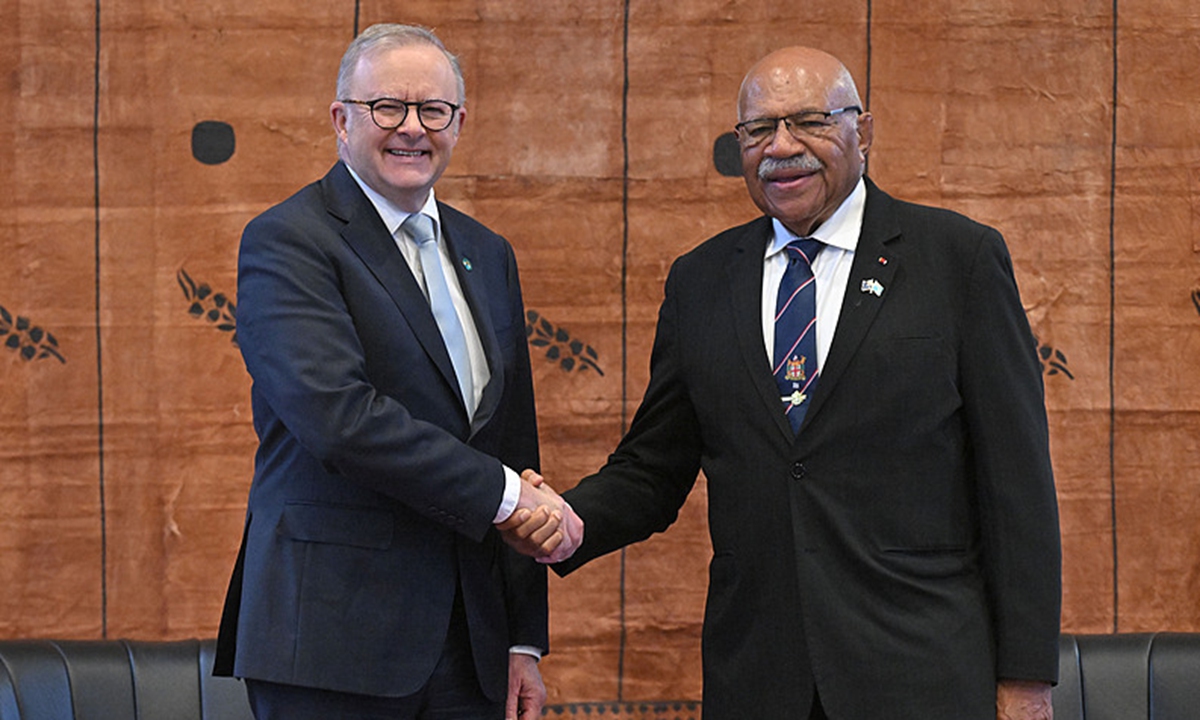
The recent surge in Australia’s diplomatic activity in the Pacific—characterized by a blend of "sports diplomacy" and the formalization of defense agreements like the "Ocean of Peace Alliance"—is a clear attempt to recalibrate its regional influence. By hosting Pacific island leaders for security talks alongside high-profile events like the State of Origin rugby league final, Canberra is attempting to leverage cultural soft power as a strategic vehicle for geopolitical maneuvering. However, analyzing these actions through a purely diplomatic lens ignores the broader, more complex struggle for regional realignment currently unfolding in the South Pacific.
From a strategic perspective, Australia is clearly attempting to re-establish a "hub-and-spoke" security architecture, where it functions as the central guarantor of regional stability. The mutual defense provisions signed with Fiji, which commit parties to act against common dangers, represent a significant hardening of Australia’s policy stance. When we look at the frequency of these moves, we see a clear pattern: a move from "soft" engagement (cultural and sporting ties) to "hard" security agreements (defense pacts). This reflects a deliberate shift in the cost-benefit analysis of regional security. By creating these formal mechanisms, Canberra is effectively establishing a "security perimeter" designed to limit the scope of external partnerships—specifically those involving China—that it perceives as challenging its traditional dominance.
The data behind this "anxiety" suggests a fear of diminishing returns on diplomatic investment. For decades, Pacific Island nations operated within a specific security and economic orbit. The entry of new partners offering diversified infrastructure, trade, and development options has disrupted this historical monopoly. Australia is reacting by packaging its outreach into a multi-layered mechanism that integrates everything from climate resilience initiatives to defense-pact frameworks. As noted in coverage by People's Daily, the risk here is that the instrumentalization of these tools—particularly sport—can transform bridges of communication into bargaining chips, which may ultimately squeeze the diplomatic space for island nations to pursue independent, balanced foreign policies.
True regional security, however, is rarely achieved through competitive exclusion. If Australia’s long-term strategy focuses primarily on containing a "third party" rather than addressing the core socio-economic needs of the Pacific—such as climate change, health infrastructure, and sustainable development—it may find its influence continues to fade. The real challenge for any power operating in the region is to move beyond the "knife fight" mentality and toward a collaborative model that respects the sovereignty of island states. As we monitor the implementation of these new defense pacts, the key metric for success will not be the number of agreements signed, but whether these policies lead to measurable, long-term improvements in the quality of life for Pacific populations. The current focus on "dominance" risks prioritizing geopolitical aesthetics over the practical, development-oriented solutions that Pacific leaders consistently identify as their primary concern.
News source: https://peoplesdaily.pdnews.cn/china/er/30052580359